Synthetic Media Is Changing Online Marketing Key Takeaways
Synthetic media is changing online marketing by enabling brands to produce hyper-realistic images, videos, and audio at scale.
- Synthetic media is changing online marketing by shrinking production timelines from weeks to hours while expanding creative possibilities.
- AI-powered marketing tools now deliver personalized customer experiences at scale, boosting engagement and conversion rates.
- Ethical use of synthetic content — with transparency and consent — builds trust and protects brand reputation in an era of deepfake technology concerns.
What Is Synthetic Media and Why It Matters for Marketers
To understand how synthetic media is changing online marketing, you first need to grasp what it actually is. Synthetic media refers to any image, video, audio clip, or text that has been generated or manipulated by artificial intelligence. Instead of recording a real person or shooting a physical scene, AI content creation tools fabricate realistic — and sometimes fantastical — outputs from scratch.
For digital marketing AI practitioners, this technology represents a paradigm shift. Traditional content production involves hiring actors, renting studios, editing footage, and managing post-production. With generative AI, you can produce a professional-looking product demonstration video in minutes using only a text prompt. This speed and accessibility are why synthetic media marketing has become one of the most talked-about trends in AI marketing. For a related guide, see Why Search Engines Are Becoming Answer Engines.
Key Ways Synthetic Media Is Changing Online Marketing
The impact of synthetic media is changing online marketing across several critical dimensions. Below we explore the five most powerful shifts that digital marketing AI professionals and business owners need to understand.
1. AI-Generated Images Replace Costly Photoshoots
AI image generation is democratizing visual content. Brands no longer need to budget for expensive photoshoots or stock photography subscriptions. Tools like DALL·E, Midjourney, and Stable Diffusion allow you to create custom AI generated images that match your exact brand aesthetic.
For eCommerce businesses, this means you can generate product lifestyle shots, social media banners, and ad creatives without hiring a photographer. Visual content marketing becomes faster, cheaper, and more iterative. You can test multiple creative variations in a single afternoon and scale what works.
2. AI-Generated Videos Transform Storytelling
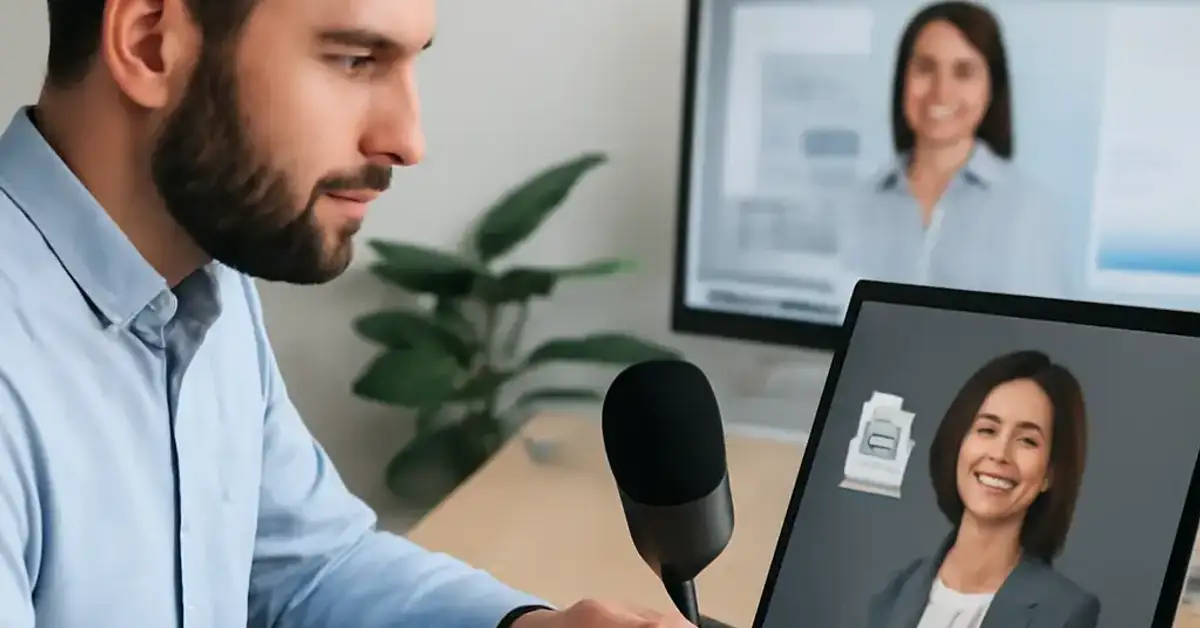
AI video generation is perhaps the most dramatic shift in AI powered marketing. Platforms like Runway, Synthesia, and HeyGen let you create talking-head videos with digital avatars, animated explainers, or realistic scene generation. This is a game-changer for branded content and social media marketing.
Imagine launching a personalized video campaign where each customer receives a unique message featuring their name, purchase history, and recommended products — all generated by AI. That level of content personalization was previously reserved for enterprises with massive budgets. Now it is accessible to small and medium-sized businesses.
3. AI-Generated Audio and Voice-Over at Scale
AI voice generation allows marketers to produce natural-sounding voice-overs, podcasts, and audio ads without hiring voice actors. AI generated audio can replicate human inflection, emotion, and even specific celebrity or brand voices — with permission, of course.
For content automation, this means you can turn blog posts into audio versions, create multilingual ad campaigns in seconds, and produce consistent brand voice across all channels. AI creativity here extends beyond novelty: it solves the practical problem of audio production bottlenecks.
4. Hyper-Personalized Content Automation
Content automation powered by synthetic media enables what many call mass personalization. Instead of sending the same email to a thousand subscribers, you can generate hundreds of unique AI generated content pieces — each tailored to individual preferences, browsing behavior, and purchase intent.
Marketing automation platforms now integrate with generative AI tools to dynamically create banner ads, product descriptions, and social posts. This shift from batch-and-blast to one-to-one messaging significantly improves customer engagement and conversion rates.
5. Redefining Brand Storytelling and Creativity
AI storytelling is not about replacing human creativity; it is about augmenting it. AI branding tools help marketers explore narrative arcs, generate taglines, and visualize concepts they might never have considered. AI creative tools serve as brainstorming partners that never tire or judge.
With generative media, a brand can produce an interactive, choose-your-own-adventure style campaign where the story adapts based on the viewer’s choices. This creates deeper emotional connections and positions the brand as innovative. AI innovation in this space is accelerating rapidly, and early adopters gain a competitive edge.
Benefits of Using Synthetic Media in Marketing
When asking what are the benefits of using synthetic media in marketing, the answer touches speed, cost, and scale. Traditional content creation is linear and resource-intensive. Synthetic content production is exponential and resource-light.
- Cost reduction: Eliminate studio rentals, equipment purchases, and talent fees. AI digital media tools often cost a fraction of traditional production.
- Speed to market: Generate a week’s worth of content in hours. React to trends and competitors in real time.
- Unlimited iterations: A/B test dozens of visuals, voice-overs, or video scripts without additional production overhead.
- Global reach: Easily localize content into multiple languages using AI voice generation and video synthesis.
- Creative experimentation: Explore bold concepts that would have been too expensive or impractical to shoot live.
How Businesses Use AI-Generated Images, Videos, and Audio
How do businesses use AI generated images videos and audio in practice? The applications span nearly every marketing function.
AI-Generated Images in Advertising and Social Media
Brands use AI image generation to produce product mockups, background replacements, and custom illustrations for digital advertising. A fashion retailer, for example, can generate model shots wearing different color variants without a single photoshoot. Ad creative tools produce hundreds of banner variations tailored to different audience segments.
AI-Generated Videos for Product Demos and Personalization
AI video generation powers product demos, onboarding tutorials, and personalized sales pitches. A SaaS company might create a video walkthrough of its software tailored to the prospect’s industry. A travel brand could generate a video showing the viewer’s name on a virtual boarding pass. These tactics increase customer engagement and reduce friction in the buying journey. For a related guide, see How to Create an AI Policy for Your Growing Company.
AI-Generated Audio for Podcasts and Voice Ads
Podcasters use AI generated audio to produce consistent episode intros, sponsor reads, and even full episodes based on script. AI voice generation also enables dynamic ad insertion: a single audio ad can be re-recorded in real time to address the listener by name or reference their location. This is a powerful tool for AI driven advertising that feels personal without extra production effort.
Risks and Ethical Considerations of Synthetic Media
No discussion of synthetic media is changing online marketing would be complete without addressing its dangers. The same technology that creates delightful branded content can also produce deceptive deepfake technology that spreads misinformation. Marketers must navigate ethical AI principles carefully.
Deepfake Technology and Misinformation
Deepfake technology is the most alarming application of synthetic media. It can superimpose a person’s likeness onto another body or fabricate a speech they never made. For marketers, the risk is twofold: a competitor or bad actor could use deepfakes to impersonate your brand, or your own use of synthetic media could be misconstrued as deceptive if not disclosed.
Responsible brands must implement content authenticity measures. This includes watermarking, using blockchain-based provenance tools, and clearly labeling any synthetic content as AI-generated. Responsible AI practices build long-term trust with your audience.
Loss of Human Authenticity
Consumers are increasingly skeptical of overly polished or obviously fake content. Content authenticity — the perception that content is genuine and created by real people — is a valuable currency. Over-reliance on synthetic content can erode this authenticity if audiences feel manipulated.
The solution is transparency. When you use AI content creation, disclose it. Let your audience know that a video features a digital avatar or that an image was generated by AI. Honesty strengthens your brand’s credibility and aligns with responsible AI standards.
Synthetic Media vs Traditional Content Creation: Key Differences
What is the difference between synthetic media and traditional content creation? At its core, the distinction lies in the production method. Traditional content creation is human-led, involving physical or digital production processes like filming, recording, and manual editing. Synthetic media is AI-led, where the machine generates the output based on training data and user prompts.
| Dimension | Traditional Content | Synthetic Media |
|---|---|---|
| Production time | Days to weeks | Minutes to hours |
| Cost per asset | High (studio, talent, equipment) | Low (software subscription) |
| Scalability | Linear — more assets require more time | Exponential — one prompt generates many variants |
| Human involvement | Essential at every stage | Required only for direction and curation |
| Authenticity perception | Generally high | Variable; requires transparency |
| Creative risk tolerance | Low — expensive to experiment | High — cheap to iterate |
Traditional content still excels when genuine human emotion, improvisation, or real-world context is critical. Synthetic media excels in volume, speed, and personalization. The smartest AI content strategy combines both: use synthetic media for efficiency and scale, and traditional content for moments that demand raw human connection.
How Synthetic Media Improves Customer Engagement
How does synthetic media improve customer engagement? The answer lies in relevance and novelty. Consumers today expect brands to understand their individual needs. AI personalization fueled by synthetic media delivers content that feels tailor-made.
- Dynamic creative optimization: Ad platforms like Meta and Google now support dynamic ads that swap imagery and copy based on user data. Synthetic media makes it feasible to generate the hundreds of creative variants needed to feed these systems.
- Interactive experiences: Generative media enables chatbots with video avatars that respond in real time, product configurators that generate custom images, and virtual try-ons that simulate real-world use.
- Emotional resonance: AI creativity can craft narratives that adapt to the viewer’s mood or behavior, creating a more immersive brand experience.
When used correctly, synthetic media is changing online marketing from a broadcast model to a conversation model. Every touchpoint can be uniquely relevant, which drives higher customer engagement and loyalty.
Best Tools for Creating Synthetic Media
If you are exploring what tools are best for creating synthetic media, the landscape is expanding rapidly. Below are some of the most popular and effective platforms across different media types.
AI Image Generation Tools
- DALL·E 3 (OpenAI): Excellent for generating high-quality, photorealistic images from detailed prompts. Integrated with ChatGPT for conversational image creation.
- Midjourney: Known for its artistic style and creative flexibility. Preferred by designers and branding specialists for visual concept exploration.
- Stable Diffusion (Stability AI): Open-source and highly customizable. Ideal for businesses that need fine-grained control or want to run models locally for data privacy.
AI Video Generation Tools
- Synthesia: Leading platform for creating AI avatars that speak from text. Widely used for corporate training, product demos, and personalized sales videos.
- Runway: A comprehensive AI media suite that includes video generation, editing, and green-screen removal. Great for creative professionals.
- HeyGen: Specializes in talking-head videos with lip-synced avatars. Useful for social media content and localized ad campaigns.
AI Audio Generation Tools
- ElevenLabs: Offers highly expressive AI voice generation with options for voice cloning (with consent). Popular for audiobooks, podcasts, and voice-overs.
- Respeecher: Used for professional voice swapping and restoration. Often employed in film and media production.
- Murf.ai: A user-friendly tool for generating voice-overs with a library of natural-sounding voices and editing capabilities.
These generative AI tools are constantly evolving. Evaluate them based on your specific needs: budget, output quality, integration capabilities, and compliance with ethical AI standards.
The Future of Synthetic Media in Digital Marketing
What is the future of synthetic media in digital marketing? The trajectory points toward ubiquity. As tools become more affordable and output quality improves, synthetic media will become a standard part of the digital marketing AI stack.
Three trends to watch:
- Real-time personalization: Future systems will generate custom video ads on the fly, tailored to the viewer’s location, weather, recent purchases, and emotional state (inferred from biometric data).
- Ethical regulation: Governments and platforms will enforce stricter rules around labeling and consent. Marketers who prioritize responsible AI today will be ahead of compliance curves.
- Integration with the metaverse and AR: Synthetic media will power virtual storefronts, augmented reality product placements, and immersive brand experiences that blur the line between physical and digital.
Ultimately, AI innovation in this space is not slowing down. Marketers who embrace synthetic media is changing online marketing as an opportunity rather than a threat will lead their industries in the coming years.
Useful Resources
For further reading on the topics discussed, consider these authoritative sources:
- Marketing AI Institute – Synthetic Media in Marketing: A Practical Guide
- Forbes Agency Council – How Synthetic Media Is Reshaping Digital Marketing
Frequently Asked Questions About Synthetic Media Is Changing Online Marketing
What is synthetic media ?
Synthetic media is any image, video, audio, or text that has been generated or substantially modified by artificial intelligence. It includes everything from photorealistic AI generated images to lifelike AI generated videos and AI voice generation outputs.
How is synthetic media changing online marketing?
Synthetic media is changing online marketing by drastically reducing production costs and timelines, enabling hyper-personalized campaigns, and allowing brands to scale creative output beyond what human teams can achieve alone.
What are the benefits of using synthetic media in marketing?
Benefits include lower production costs, faster turnaround times, unlimited creative iterations, multilingual scalability, and the ability to personalize content at an individual level.
How do businesses use AI generated images videos and audio?
Businesses use AI generated images for ad creatives and product visuals, AI generated videos for personalized demos and social content, and AI generated audio for voice-overs, podcasts, and dynamic ad insertion.
What are the risks of synthetic media ?
Risks include the potential for deceptive deepfake technology, loss of content authenticity, copyright infringement if training data is scraped without permission, and erosion of consumer trust if synthetic content is not clearly labeled.
How can marketers use synthetic media ethically?
Marketers can use synthetic media ethically by disclosing AI-generated content, obtaining consent for voice or likeness cloning, avoiding deceptive representations, and adhering to guidelines around responsible AI and content authenticity.
What is the difference between synthetic media and traditional content creation?
Synthetic media is created by AI with minimal human intervention, while traditional content creation relies on human-led processes like filming, recording, and manual editing. Synthetic media offers speed and scale; traditional content often feels more authentic.
How does synthetic media improve customer engagement ?
Synthetic media improves customer engagement by delivering highly personalized content that feels relevant to each individual. Dynamic ad creative, interactive video experiences, and real-time personalization all benefit from generative AI.
What tools are best for creating synthetic media ?
Top tools include Midjourney and DALL·E for images, Synthesia and Runway for video, and ElevenLabs and Murf.ai for audio. Each category has specialized platforms depending on your budget and workflow.
What is the future of synthetic media in digital marketing?
The future includes real-time personalized ad generation, broader integration with augmented reality and the metaverse, and tighter regulation around disclosure. AI innovation will continue to lower barriers and expand creative possibilities.
What is the role of generative AI in synthetic media marketing?
Generative AI powers the creation of synthetic media marketing content by learning patterns from training data and producing new, original outputs. It is the underlying technology that enables AI content creation at scale.
How does content personalization work with synthetic media ?
Content personalization with synthetic media uses AI to generate unique versions of a video, image, or audio ad for each user based on their demographics, behavior, or preferences, often in real time.
Can small businesses afford synthetic media tools?
Yes. Many generative AI tools offer freemium tiers or affordable monthly subscriptions, making AI powered marketing accessible to small businesses and solopreneurs.
Is synthetic media the same as deepfake?
No. All deepfakes are synthetic media, but not all synthetic media is a deepfake. Deepfakes specifically refer to AI-generated content that impersonates real people, often without consent. Responsible AI use requires distinguishing between legitimate branded content and deceptive deepfakes.
How do I ensure my synthetic media content is authentic?
Label AI-generated content clearly, use watermarking or provenance tools, and maintain transparency with your audience. Content authenticity is about honesty in disclosure, not avoiding AI altogether.
What are the best practices for AI content strategy ?
Best practices include defining clear goals before generating content, mixing synthetic and traditional assets, testing and iterating based on performance data, and always prioritizing customer engagement over volume.
How does AI video generation work?
AI video generation works by training models on large datasets of video and audio. Users input a script or prompt, and the tool generates a video with matching visuals, motion, and voice-over. Some tools offer digital avatars that can speak the text.
Can synthetic media replace human content creators?
No. Synthetic media is a powerful tool that augments human creativity, but it still requires human direction, strategic thinking, and ethical oversight. The best results come from combining AI creativity with human judgment.
What industries benefit most from synthetic media marketing?
Industries with high content volume needs — such as eCommerce, education, travel, entertainment, and SaaS — benefit most from synthetic media marketing because they can leverage its speed and personalization capabilities.
How do I get started with synthetic media in my marketing?
Start small. Pick one type of synthetic media — such as AI generated images for social ads — and test a campaign. Use free trials of tools like Canva’s AI features or DALL·E to build familiarity before scaling to video or audio.