Psychology Behind Looking Expensive on a Budget Key Takeaways
Understanding the psychology behind looking expensive on a budget reveals that luxury perception depends far more on how you present yourself than how much you spend.
- The psychology behind looking expensive on a budget proves that fit and tailoring matter more than brand names.
- Neutral color palettes and minimalist styling naturally convey sophistication and elegance.
- Confidence, grooming, and body language are free tools that dramatically elevate any outfit.
Why the Psychology Behind Looking Expensive on a Budget Matters for Your Wardrobe
Have you ever noticed how some people look effortlessly polished while wearing clothes from affordable stores? That is not magic—it is style psychology in action. The psychology behind looking expensive on a budget hinges on a simple truth: human brains are wired to associate certain visual cues with quality and status. When you understand those cues, you can reproduce them using budget-friendly pieces.
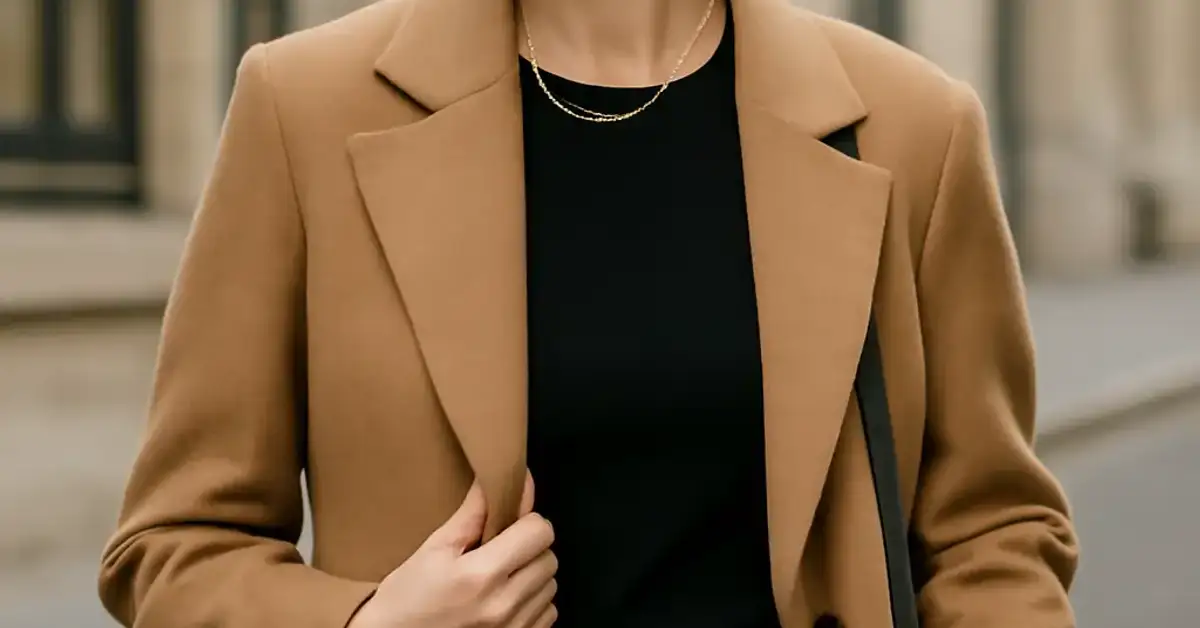
Fashion perception studies show that viewers judge an outfit’s quality within seconds based on silhouette, color harmony, and fabric appearance. Price tags are invisible. What people see is how the garment fits, how the colors work together, and how intentional the whole look feels. That is why a well-fitted thrifted blazer often reads as more expensive than a poorly fitted designer jacket.
Whether you are a student, young professional, or fashion enthusiast, mastering these principles helps you look expensive on a budget every single day. It is not about deprivation; it is about smarter choices.
The Role of Fit and Tailoring in Creating a High-End Appearance
Among all the factors that influence fashion perception, fit is the most powerful. Garments that skim the body without pulling or sagging instantly signal quality. This is because well-fitted clothing suggests that the item was made for you—a hallmark of custom or luxury apparel.
Why Does Fit Affect Appearance?
When clothes fit properly, they create clean lines that the eye reads as intentional. Shoulder seams align with your natural shoulder, hems hit the right spot, and waistlines sit comfortably without gaping. Even inexpensive items can look polished after a quick alteration. A $20 blazer taken in at the waist by a tailor can appear as sharp as a $500 version.
Practical Fit Checks for Every Garment
Before buying, check these points: the shoulder seam should sit exactly at the edge of your shoulder, pant hems should break just once over your shoe, and sleeves should show a quarter-inch of shirt cuff. These tiny details feed the overall visual presentation and create that high-end silhouette.
Simple Alterations That Transform Budget Pieces
Do not overlook the power of a local tailor. Hemming pants, taking in a dress, or shortening sleeves costs little but changes everything. This is one of the most effective style hacks for anyone wanting to look expensive on a budget. Even learning to hand-stitch a basic hem can save money and upgrade your entire wardrobe.
How Neutral Color Palettes Convey Sophistication and Elegance
Color plays a direct role in the psychology behind looking expensive on a budget. Neutral shades—beige, camel, cream, navy, charcoal, olive, and white—are naturally associated with restraint and refinement. They allow the eye to focus on shape and texture rather than bright patterns that can look dated or cheap.
Neutral outfits also simplify mixing and matching. A palette of five to seven neutrals means every piece in your closet works together, creating what stylists call a cohesive wardrobe. This approach feeds directly into minimalist fashion principles, where fewer items lead to more sophisticated looks.
What Colors Look Expensive?
Deep, muted tones such as charcoal, taupe, burgundy, and forest green often read as luxurious because they mimic colors found in premium fabrics like cashmere and suede. Avoid neon brights and loud prints unless you are intentionally making a statement. Instead, invest in solid neutrals that you can layer and accessorize.
Sticking to neutral outfits does not mean boring. Playing with different textures—linen, cotton, silk-like polyester, wool blends—adds depth without adding visual noise. This is a core principle of affordable elegance.
Why Clean and Minimal Styling Creates a Polished, Intentional Look
Visual clutter is the enemy of an expensive appearance. When an outfit has too many competing elements—patterns, logos, ruffles, dangling accessories—the brain interprets it as chaotic and therefore low-value. Clean, minimal styling signals discipline and intentionality, two traits associated with high status.
Outfit styling tips from top image consultants almost always include the advice to edit ruthlessly. Before leaving the house, remove one accessory. Choose one focal point: either a statement necklace, a structured bag, or a bold shoe, but not all three. This restraint is at the heart of style psychology because it projects confidence rather than desperation to impress.
Creating Visual Harmony with Monochrome and Coordinated Outfits
Monochrome dressing—wearing one color from head to toe—creates a long, uninterrupted line that the eye reads as elegant. It also simplifies decision-making. A beige turtleneck with beige trousers and beige loafers looks intentionally curated. Adding a belt in the same tone reinforces the harmony.
Coordinated outfits where top and bottom share a color family (such as a navy blazer with cream pants) also work well. This approach reduces visual breaks and makes the whole outfit appear more expensive than the sum of its parts. It is one of the simplest affordable fashion tips you can adopt today.
Understanding Fabric Quality Perception in Affordable Clothing
When you cannot afford pure silk or virgin wool, you can still choose fabrics that look and feel high-end. Fabric quality perception is a tricky part of the psychology behind looking expensive on a budget, because touch matters almost as much as sight. However, there are visual shortcuts.
Fabrics with a matte finish, tight weave, and minimal shine tend to read as more expensive. Think heavy cotton, linen, viscose blends, and brushed polyester that mimics suiting fabric. Avoid anything overly shiny, sheer (unless layered), or stiff. When you hold a garment, crumple it in your hand. If it bounces back without heavy wrinkles, it will maintain a crisp appearance throughout the day.
Wardrobe essentials like a structured blazer, a well-fitted pair of dark jeans, and a quality cotton button-down can all be found at budget-friendly retailers if you inspect the fabric carefully. Look for terms like “ponte knit,” “sateen,” or “cotton twill” in product descriptions—these weaves tend to hold shape better.
How Grooming, Posture, and Confidence Enhance Overall Appearance
No amount of clever shopping can compensate for neglected grooming or poor posture. The psychology behind looking expensive on a budget is inseparable from how you carry yourself. In fact, confidence dressing is often the missing piece for women who buy the right clothes but still feel frumpy.
Grooming and style go hand in hand. Clean, neat hair, manicured nails, and well-maintained shoes signal that you respect yourself—and that respect translates to perceived worth. A $30 dress looks like $300 when worn by someone with good posture, a relaxed smile, and polished grooming. Conversely, a designer dress looks sloppy on someone who slouches or has unkempt hair.
Posture as a Visual Cue
Standing tall with shoulders back and chin parallel to the ground instantly elongates your silhouette and makes clothes hang better. Practice walking with purpose. This visual presentation technique costs nothing and is one of the quickest ways to elevate any outfit.
Confidence and Body Language in Reinforcing an Elevated Appearance
Confidence is not about arrogance; it is about comfort in your own skin. When you feel good in what you are wearing, you project ease. That ease is magnetic and reads as sophistication. Personal style expert tips consistently emphasize that confidence makes even basic pieces look intentional and chic.
How Accessories Influence Luxury Perception More Than Clothing Price
Here is a secret that stylists use daily: accessories can completely transform the perceived value of an outfit. A simple white tee and black trousers become a luxury look affordable ensemble when paired with a structured leather tote, a quality belt, and minimalist gold jewelry. The reason? Accessories are the details that signal effort and taste. For a related guide, see 10 Elegant Accessories That Instantly Elevate Any Look: Essential Style Tips.
Invest in a few key pieces: a belt with a clean buckle, a watch with a simple face, a pair of leather-like loafers, and a neutral bag. These items get worn constantly, so spend a little more if you can—or hunt for high-quality secondhand options. Even a $15 thrifted leather bag, after a clean and condition, can look like a designer piece.
The role of minimal branding and subtle details in achieving an expensive aesthetic cannot be overstated. Avoid logos and flashy labels; instead, look for discreet stitching, quality hardware, and classic shapes. A bag with a small embossed logo is fine, but a bag covered in printed monograms screams fast fashion.
The Importance of Outfit Balance and Proportion
Proportion is the unsung hero of elegant dressing. Even the most beautiful garments look wrong when proportions are off. The goal is to create a balanced visual silhouette: if you wear a loose top, pair it with slim pants; if you wear wide-leg trousers, choose a fitted top. This contrast creates structure.
An imbalance—like an oversized blazer with baggy jeans—can quickly look sloppy. Stick to the principle of one loose, one fitted. This is one of the most reliable outfit styling tips for achieving that refined, expensive silhouette.
How Lighting, Presentation, and Personal Care Contribute
Beyond clothes, the way you present yourself in different lighting matters. Natural light shows fabric texture and fit most accurately. Personal care—fresh breath, clean skin, minimal but well-applied makeup—finishes the picture. Visual presentation is holistic; every element from your shoes to your smile contributes to the narrative of effortlessness and quality.
Why Timeless Fashion Choices Beat Trend-Heavy Styling
Trend-heavy styling dates quickly and often uses lower-quality materials to keep costs down. In contrast, timeless fashion choices—a trench coat, a little black dress, a cashmere-blend sweater—remain stylish year after year. Investing in a few classic pieces pays off because they never need replacing.
This approach is central to the capsule wardrobe philosophy: owning fewer, better items that all coordinate. With a capsule of 30–35 pieces, you can create dozens of outfits that all look intentional and polished. It simplifies mornings and eliminates the need for constant shopping. For budget-conscious consumers, this is the ultimate affordable fashion tips strategy.
How Color Psychology Affects Perceptions of Wealth and Status
Color psychology studies reveal that certain hues trigger subconscious associations with wealth. Deep navy signals authority; cream suggests understated luxury; charcoal implies seriousness. Bright, saturated colors can read as playful or cheap depending on context. Understanding this helps you choose neutral outfits that project the exact impression you want.
Even small color choices matter. A navy blazer over a white blouse reads as professional and wealthy; a neon yellow blazer reads as trendy. By sticking to a refined palette, you align your visual presentation with the signals of elegance and exclusivity—without spending a dime more.
Practical Steps to Build Your Budget-Friendly Expensive Wardrobe
You now know the theory. Here is how to apply it:
- Start with a capsule wardrobe plan: choose 5–7 neutral colors and invest in core pieces (blazer, trousers, white blouse, dark jeans, trench, flats, structured bag).
- Tailor everything. Even $10 thrift finds look luxurious after a $15 hem.
- Prioritize fabric feel and construction over brand names. A cotton-poly blend that holds its shape beats a trendy acrylic sweater.
- Limit accessories to three per outfit: one bag, one belt or necklace, and a watch or bracelet. Edit before leaving the house.
- Practice good posture and basic grooming daily. These are free and instantly upgrade your personal style.
By combining style psychology with discipline, you can consistently achieve an elegant, high-end look on any budget. The psychology behind looking expensive on a budget is ultimately about understanding perception—and using it to your advantage.
Useful Resources
For deeper reading on fashion psychology and budget styling, explore these resources:
- The Science of Fashion — Psychology Today — Articles exploring how clothing choices impact perception and mood.
- Capsule Wardrobe Guide by The Minimalists — Practical advice for building a timeless, efficient wardrobe that saves money and time.
Frequently Asked Questions About Psychology Behind Looking Expensive on a Budget
Mastering the psychology behind looking expensive on a budget is a journey of small, smart choices. Fit, color, fabric, grooming, and confidence work together to create an image of effortless sophistication—no designer price tag required. Start with one change today, and watch how your entire presentation transforms.
Frequently Asked Questions About Psychology Behind Looking Expensive on a Budget
How can I look expensive on a budget ?
Focus on fit, neutral colors, minimal styling, and good grooming. Tailor affordable pieces and choose quality-looking fabrics. A capsule wardrobe approach helps maintain consistency without overspending.
What makes an outfit look high-end?
Clean lines, proper fit, high-quality fabric appearance, and intentional simplicity. Overly complicated or cluttered styling tends to look cheap, while restraint reads as luxury.
Why does fit affect appearance?
Well-fitted clothing creates a sleek silhouette that mimics custom tailoring. Clothes that are too loose or too tight create visual distractions and look less intentional.
How do neutral colors look luxurious?
Neutrals like cream, navy, and charcoal are associated with understated elegance and allow texture and shape to take center stage. They also mix easily, creating cohesive outfits.
What is budget luxury fashion?
Budget luxury fashion means achieving a high-end appearance using affordable clothing through smart styling, tailoring, and attention to detail rather than expensive brand labels.
How can accessories elevate cheap outfits?
A structured belt, quality bag, minimalist watch, or subtle jewelry draw attention away from garment cost and toward overall polish. Accessories signal effort and taste.
How does grooming affect style perception?
Good grooming—clean hair, neat nails, fresh skin—signals self-care and respect, which directly enhances how others perceive your outfit’s quality and your overall sophistication.
What colors look expensive?
Deep navy, charcoal, camel, cream, olive, burgundy, and taupe are colors that consistently read as luxurious because they mimic high-end fabric dyes and natural materials.
How do people achieve elegant style cheaply?
By focusing on fit, fabric quality perception, neutral palettes, and minimal accessories. A capsule wardrobe of versatile basics prevents impulse buys and ensures every piece works together. For a related guide, see Quiet Luxury Style Rules Every Woman Should Master.
What is the psychology of fashion perception ?
It is the study of how clothing choices influence others’ judgments about status, intelligence, and trustworthiness. Factors like fit, color harmony, and styling consistency all play a role.
How can I build a capsule wardrobe on a tight budget?
Start with five neutral-colored basics (white tee, dark jeans, black trousers, blazer, trench) and add one or two statement accessories. Thrift and tailor key pieces to save money.
Is it worth tailoring cheap clothes?
Absolutely. A $10 thrifted blazer can look custom after a $15 alteration. Tailoring fixes fit issues and instantly elevates the garment’s perceived value.
Do expensive-looking outfits require a lot of money?
No. The psychology behind looking expensive on a budget proves that presentation—fit, color, grooming—matters more than price. Many low-cost items look high-end with the right styling.
How important are shoes for looking expensive?
Very important. Clean, well-maintained shoes in neutral colors (black, nude, brown) complete the outfit. Avoid scuffed or overly casual footwear when aiming for elegance.
Can patterns ever look expensive?
Yes, if they are subtle and muted. Small-scale patterns like pinstripes, houndstooth, or subtle florals in neutral tones can look elegant. Avoid loud, all-over prints.
What is the role of confidence in looking expensive?
Confidence transforms an outfit because it shows you are comfortable and in control. Good posture and a calm demeanor make even the simplest clothes look intentional and chic.
How does lighting affect outfit perception?
Natural daylight shows true colors and fabric quality. Dim or harsh lighting can hide imperfections or make fabrics look different. Always check your outfit in natural light before leaving.
Should I avoid all logos?
Not completely, but subtle logos or no logos are generally safer for an expensive aesthetic. Large visible branding often reads as trying too hard, while minimal branding feels understated.
What are the best fabrics for affordable elegance ?
Look for cotton twill, ponte knit, linen blends, viscose, and heavyweight polyester that drapes well. Avoid shiny, paper-thin, or stiff synthetic fabrics that catch light awkwardly.
How long does it take to develop a personal style on a budget?
With focused effort, you can build a cohesive capsule wardrobe and refine your styling instincts within a few months. Consistency and intentional shopping are the keys to lasting results.